
14
2024
-
11
Why 1070 Aluminum Pipes Are the Optimal Choice for Construction Projects
Why 1070 Aluminum Pipes Are the Optimal Choice for Construction Projects Table of Contents 1. Introduction to 1070 Aluminum Pipes 2. Key Properties of 1070 Aluminum 3. Benefits of Using 1070 Aluminum Pipes in Construction 3.1. Corrosion Resistance 3.2. Lightweight Yet Strong 3.3. Cost-Effective Solutions 4. Applications of 1070 Aluminum Pipes in Construction 5. Comparing 1070 Aluminum with Other A
Why 1070 Aluminum Pipes Are the Optimal Choice for Construction Projects
Table of Contents
1. Introduction to 1070 Aluminum Pipes
2. Key Properties of 1070 Aluminum
3. Benefits of Using 1070 Aluminum Pipes in Construction
3.1. Corrosion Resistance
3.2. Lightweight Yet Strong
3.3. Cost-Effective Solutions
4. Applications of 1070 Aluminum Pipes in Construction
5. Comparing 1070 Aluminum with Other Aluminum Alloys
6. How to Choose the Right 1070 Aluminum Pipe
7. Maintenance and Care for 1070 Aluminum Pipes
8. Frequently Asked Questions
9. Conclusion
1. Introduction to 1070 Aluminum Pipes
The construction industry continually seeks materials that combine **strength**, **durability**, and **cost-effectiveness**. Among various materials, **1070 aluminum pipes** have emerged as a leading choice. This article delves into why these pipes are the go-to option for construction projects, examining their properties, benefits, and applications.
2. Key Properties of 1070 Aluminum
1070 aluminum is a high-purity aluminum alloy, primarily composed of 99.7% aluminum. This purity results in several advantageous properties that make it particularly suitable for construction applications.
**Key Properties**:
- **High Electrical Conductivity**: As one of the most conductive aluminum alloys, 1070 is ideal for electrical applications.
- **Excellent Thermal Conductivity**: Its ability to conduct heat efficiently makes it suitable for various thermal applications.
- **Formability**: 1070 aluminum can be easily extruded or fabricated into different shapes, accommodating diverse construction needs.
- **Ductility**: With high ductility, this alloy can withstand deformation without breaking, making it suitable for dynamic structural applications.
3. Benefits of Using 1070 Aluminum Pipes in Construction
Understanding the various benefits of 1070 aluminum pipes is crucial for making informed decisions in construction projects.
3.1. Corrosion Resistance
One of the standout features of 1070 aluminum pipes is their superior **corrosion resistance**. Unlike traditional steel pipes, which can rust over time, aluminum doesn’t react with moisture, ensuring a longer lifespan. This characteristic is particularly beneficial in environments exposed to harsh weather conditions or corrosive substances.
3.2. Lightweight Yet Strong
The lightweight nature of 1070 aluminum pipes enables easier handling and transportation. When compared to steel, these pipes weigh significantly less while maintaining similar strength levels. This quality allows for greater efficiency during installation and reduces the overall load on supporting structures.
3.3. Cost-Effective Solutions
While the initial cost of aluminum pipes may be higher than some alternatives, their durability and low maintenance requirements lead to substantial **cost savings** over time. The long lifespan and reduced need for repairs or replacements make 1070 aluminum pipes a cost-effective solution for construction projects.
4. Applications of 1070 Aluminum Pipes in Construction
1070 aluminum pipes find application across various sectors within the construction industry. Some notable uses include:
- **Frameworks for Buildings**: The strength-to-weight ratio makes these pipes ideal for structural frameworks in buildings.
- **Electrical Conduits**: Due to their high conductivity, these pipes are often used for electrical wiring systems.
- **HVAC Systems**: 1070 aluminum is commonly used in heating, ventilation, and air conditioning systems due to its thermal properties.
- **Plumbing**: The corrosion resistance makes these pipes suitable for water supply and drainage systems.
5. Comparing 1070 Aluminum with Other Aluminum Alloys
When selecting materials for construction projects, it's important to compare 1070 aluminum with other aluminum alloys. Some common alternatives include:
- **6061 Aluminum**: Known for its strength and toughness, 6061 aluminum is often used in structural applications but is heavier than 1070.
- **5052 Aluminum**: This alloy offers good corrosion resistance and weldability, but it lacks the high conductivity of 1070.
- **3003 Aluminum**: While it boasts excellent workability, it is less corrosion-resistant compared to 1070 aluminum and not as suitable for electrical applications.
In conclusion, while each alloy has its advantages, 1070 aluminum pipes are particularly well-suited for applications requiring high purity, corrosion resistance, and lightweight properties.
6. How to Choose the Right 1070 Aluminum Pipe
When selecting 1070 aluminum pipes for construction projects, consider the following factors:
- **Diameter and Length**: Determine the specific requirements of your project in terms of pipe sizes.
- **Thickness**: Assess the load-bearing requirements and select an appropriate wall thickness.
- **Application Type**: Ensure the chosen pipe meets the specific needs of your application, whether it be structural, electrical, or plumbing.
Consulting with a supplier or manufacturer can provide further insights into the best choices for your project’s needs.
7. Maintenance and Care for 1070 Aluminum Pipes
Maintaining 1070 aluminum pipes is relatively straightforward, contributing to their appeal in construction. Here are some maintenance tips:
- **Regular Inspections**: Periodically check for signs of wear or damage, particularly at joints and connections.
- **Cleaning**: Use mild detergents and soft brushes to clean the surface and remove any accumulated dirt or debris.
- **Protective Coatings**: Consider applying protective coatings to enhance corrosion resistance, especially in harsh environments.
By adhering to these maintenance practices, the longevity and performance of 1070 aluminum pipes can be significantly improved.
8. Frequently Asked Questions
8.1. What is the melting point of 1070 aluminum?
The melting point of 1070 aluminum is approximately **660.3°C (1220.5°F)**.
8.2. Can 1070 aluminum pipes be welded?
Yes, 1070 aluminum pipes can be welded, though care must be taken due to the high purity of the alloy.
8.3. Are 1070 aluminum pipes recyclable?
Absolutely! 1070 aluminum is highly recyclable, making it an eco-friendly choice for construction projects.
8.4. How do 1070 aluminum pipes compare to plastic pipes?
While plastic pipes are lightweight and resistant to corrosion, they lack the structural integrity and heat resistance of 1070 aluminum pipes.
8.5. What factors affect the price of 1070 aluminum pipes?
Factors such as market demand, manufacturing processes, and raw material costs can influence the pricing of 1070 aluminum pipes.
9. Conclusion
In summary, **1070 aluminum pipes** stand out as the optimal choice for a wide range of construction projects due to their unique blend of **corrosion resistance**, **lightweight structure**, and **cost-effectiveness**. Their superior properties and diverse applications make them a reliable option for builders and contractors alike. As the construction industry evolves, choosing materials like 1070 aluminum will continue to lead the way toward innovative, sustainable, and efficient building practices.
1070 Aluminum pipe
Other News

CONTACT US
Contact: Kelly
Tel : +86 15020871633
E-mail : admin@alsdsteel.com
WhatsApp : +86 15020871633
Add : No. 2 Maolingshan Road, Lixia District, Jinan City


GET A FREE QUOTE
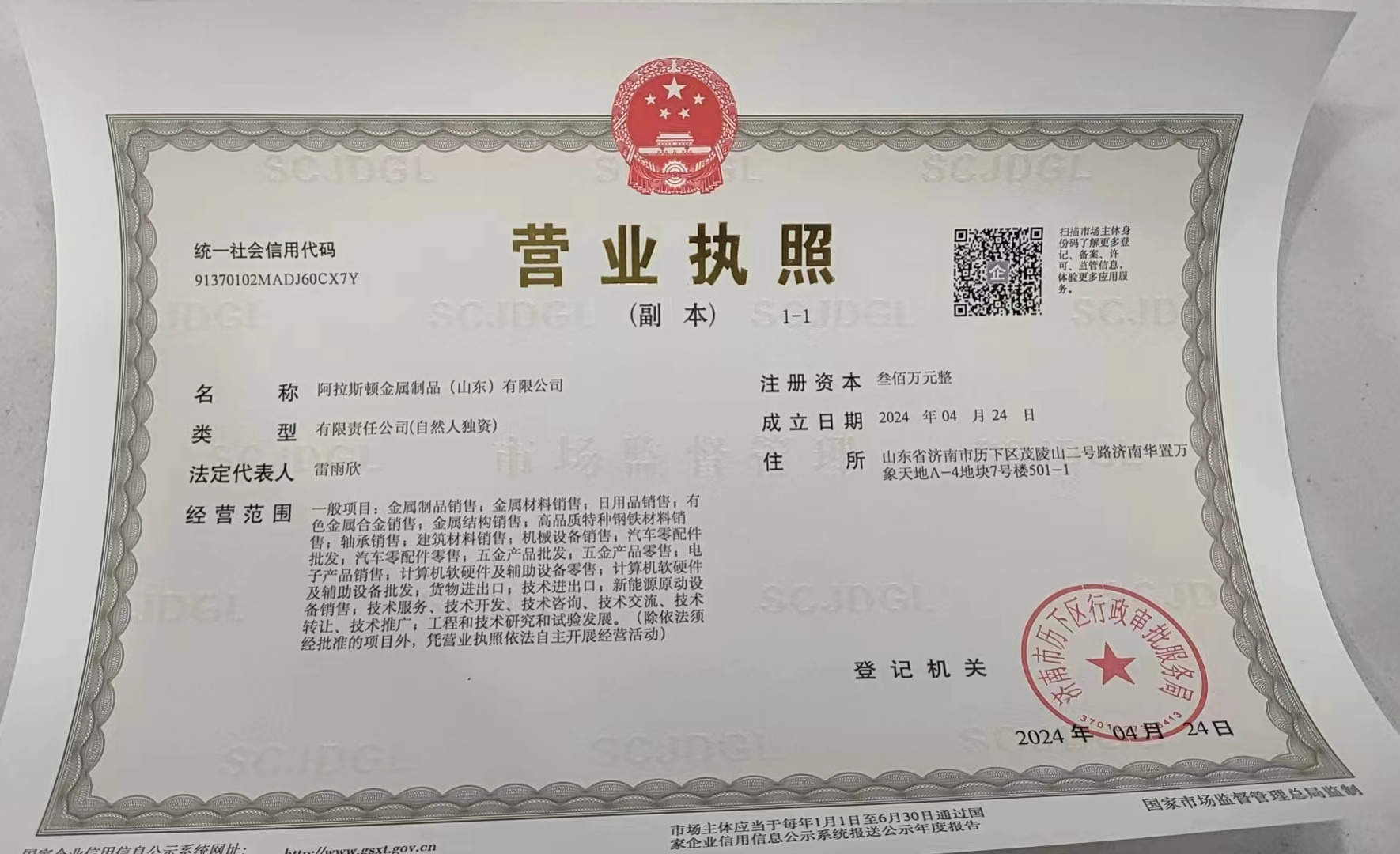
Copyright : Alston Metal Products (Shandong) Co., Ltd. Powerby : 300.cn SEO BUSINESS LICENSE